
Dental bonding, explained
Dental bonding repairs chips, closes small gaps and covers discolouration using a tooth-coloured resin, usually in a single visit with no freezing. Bathurst Centre Dental Care provides dental bonding at our Thornhill clinic for patients from Vaughan, Markham, Richmond Hill and North York.

What is dental bonding?
Dental bonding is a procedure in which a dentist applies a tooth-coloured resin to a tooth and cures it with a visible blue light. This bonds the material to the tooth and improves the overall appearance of the teeth. The resin is the same composite material used for white fillings.
What kind of improvement can dental bonding make?
Chipped or fractured teeth
Rebuild a broken corner or edge.
Decayed teeth
Repair a cavity with a colour-matched filling.
Discoloured teeth
Cover a stained or dark tooth.
Gaps between teeth
Make teeth appear wider to reduce a gap.
Short or uneven teeth
Lengthen worn edges or even out the smile line.
Exposed roots
Cover sensitive root surfaces where gums have receded.
What happens during a bonding appointment?
Bonding is usually completed in a single visit of about 30 to 60 minutes per tooth.
Shade match
The dentist selects a resin shade that matches your natural teeth.
Prepare
The tooth surface is lightly roughened and a conditioning gel is applied so the resin adheres.
Sculpt and cure
Resin is applied, shaped and hardened with a blue light in layers.
Polish
The bonded area is trimmed, checked against your bite and polished to a natural shine.
Bonding or veneers: which is right for me?
Bonding is quicker, less expensive and usually needs no removal of enamel, which makes it ideal for small chips, minor gaps and single teeth. Porcelain veneers are stronger, more stain-resistant and longer lasting, and are usually the better choice for larger changes or a full smile makeover. We will show you both options at your free consultation.
Dental bonding FAQs
Usually not. Bonding for cosmetic repairs is done on the surface of the tooth and rarely needs freezing. If bonding is used to fill a cavity, the tooth is numbed first.
Bonding commonly lasts several years before it needs a touch-up or replacement, depending on where it is in the mouth and your habits. Avoid biting fingernails, pens or ice, and wear a night guard if you grind.
Yes. Composite resin can pick up stains from coffee, tea, red wine and smoking over time. Regular cleanings keep it bright, and the dentist can polish or replace a stained area.
Yes. One advantage of bonding is that it can be touched up or repaired in a single visit without replacing the whole restoration.
Often, yes. Small gaps can be closed by adding resin to the sides of the adjacent teeth. Larger gaps may be better treated with Invisalign or veneers.
Bonding is one of the least expensive cosmetic treatments because it is done in one visit without lab fees. The cost depends on the number of teeth and the size of the repair. We provide a written estimate at your free consultation.
Will my insurance cover dental bonding?
Coverage will vary from policy to policy. Bonding to repair a chipped or decayed tooth is often covered like a filling, while purely cosmetic bonding may not be. Schedule a free consultation and we can help you determine what is covered by your policy.
Portions excerpted from https://en.wikipedia.org/wiki/Dental_bonding under the Creative Commons license.
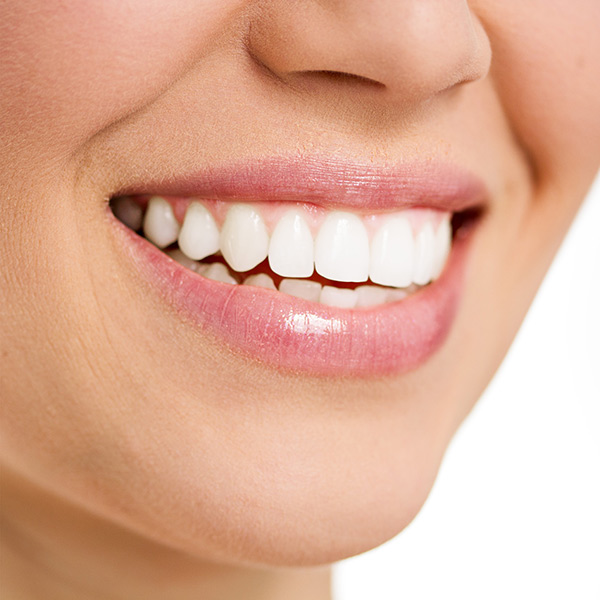



I have a chopped tooth and based on some knowledge I had before that a dentist can put back a chopped tooth if the patient saves it in milk , and also a tooth can be transplanted from a donor to a patient . Does that mean if I find a donor can a dentist fix my chopped tooth with a part from the donors tooth ?
Hi Alex, my understanding is that you chipped a part of a tooth, not the whole tooth, and you are wondering if it can be repaired by using someone else’s tooth.
A chipped tooth can be repaired in different ways depending on the extent of the damage. A small chip is usually repaired with a filling and a bigger chip sometimes repaired with a dental crown. Sometimes we can re-bond the chipped portion back to the tooth, but the re-bonded chipped portion may darken over time. Using a donor’s tooth to repair a chipped tooth isn’t typically done because finding a donor is difficult, using a donor tooth is difficult, and fillings and crowns are typically more colour-stable over time.
If a whole tooth including the entire root is knocked out of the mouth and the root is not damaged, we can sometimes put the entire tooth back in the mouth, stabilize it with a splint and the root may reattach itself to the surrounding tissue. There is research currently being done on regrowing teeth from stem cells. In the meantime, dental implants are a predictable and durable option.
Tooth 32 – the tip is slightly chipped straight across and therefore does not align with the other teeth. It needs fixing with white composite material. I am wondering is this for billing purposes would be classified as a 1, 2, 3, or 4 surface procedure.
Also would freezing be necessary and if so does this cost extra.
thanks
Hi Keith,
I would really need to see the extent of the chip first before I can give you a more accurate idea of how many surfaces are involved in the composite filling. It is also important to see how the upper and lower teeth bite together before a treatment plan is finalized. Freezing may not be necessary but it really depends on how sensitive the tooth is and what your comfort level is. Freezing will not cost extra. Please call our office at 905-707-8008 or email us at [email protected] to set up an appointment. Thank you.