
Catch cavities early, before they hurt
Tooth decay, also called dental caries or cavities, is a breakdown of tooth structure caused by acid from bacteria in the mouth. It is one of the most common health problems worldwide, and it is largely preventable. Bathurst Centre Dental Care diagnoses and treats tooth decay at our Thornhill dental clinic, serving Vaughan, Markham, Richmond Hill and North York.

What is tooth decay and how do I know if I have it?
Tooth decay is a breakdown of teeth due to the activity of oral bacteria. Cavity-causing bacteria convert the sugar on the teeth into acid, which then erodes and softens the teeth.
Initially, there may be no symptoms. As the cavity deepens, the affected tooth may become sensitive to hot, cold or sweet foods. In very advanced stages, a tooth weakened by extensive internal decay can suddenly fracture under normal chewing forces. When the decay has progressed enough to allow the bacteria to overwhelm the pulp tissue in the centre of the tooth, a toothache can result and the pain may become constant. Death of the pulp tissue and infection are common consequences. Complications may include inflammation of the tissue around the tooth, tooth loss, and infection or abscess formation.
During your routine exam and check-up, your dentist will inspect your teeth and will be able to detect cavities with the help of dental X-rays. It is always better to treat cavities early to prevent further damage to your teeth.
The stages of a cavity
Decay progresses slowly, which gives you time to act. The earlier it is found, the smaller the treatment.
White spot
Minerals are lost from the enamel. At this stage the damage can be reversed with fluoride and better hygiene.
Dentin decay
Decay reaches the softer dentin and spreads faster. Sensitivity begins. A larger filling or crown is needed.
How can I prevent tooth decay?
Prevention includes regular cleaning of the teeth, reduced consumption of sugary and acidic foods, and small amounts of fluoride.
Brush twice a day
Use a fluoride toothpaste for two minutes, morning and night.
Floss once a day
Flossing cleans between the teeth, where most adult cavities start.
Limit sugar and acid
Fewer sugary snacks and drinks between meals gives your saliva time to neutralize acid.
Use fluoride
Fluoride sources include fluoride toothpaste, mouth rinse and tap water. York Region supplies fluoridated drinking water to Vaughan, Markham and Richmond Hill.
Regular check-ups
Exams and cleanings every six months find decay while it is still small.
Sealants and fluoride for kids
Dental sealants and professional fluoride treatments protect children’s molars. Children’s dentistry.
How can I treat a decayed tooth?
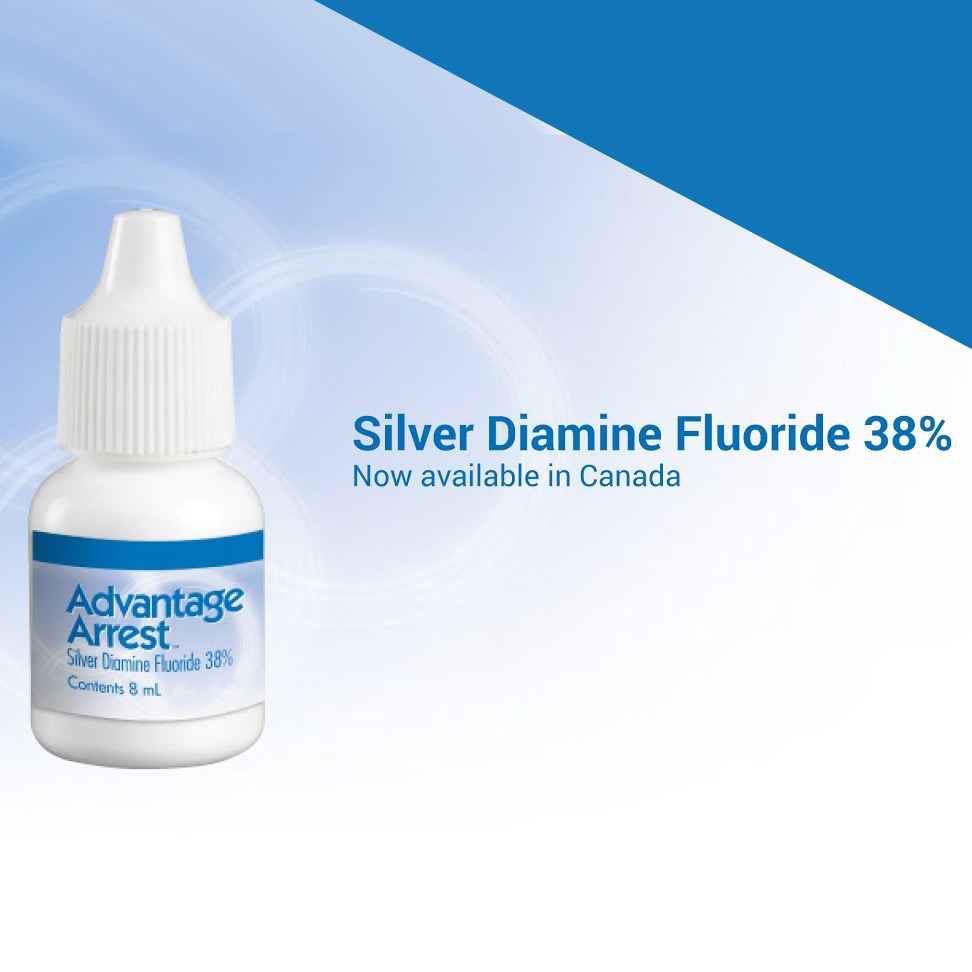
Treatment for a tooth with a cavity is typically a dental filling. Teeth do not regrow, and will continue to decay if left untreated. Sometimes a tooth may require a crown if too much tooth structure is lost to decay. Once the cavity reaches the nerve in the centre of the tooth, a root canal treatment is necessary prior to a filling and crown. In more severe cases, the tooth may be too decayed to be saved and will need to be extracted to prevent further medical issues. A dental implant, bridge or denture may be necessary to replace a tooth lost to an advanced cavity to prevent other teeth from shifting. For young children and patients who cannot sit for a filling, silver diamine fluoride can stop a cavity without drilling.
Who is most at risk of cavities?
Anyone can get a cavity, but some situations raise the risk:
Children and teens
New molars have deep grooves, and brushing habits are still forming.
Dry mouth
Many medications reduce saliva, which normally washes away food and neutralizes acid.
Frequent snacking or sipping
Grazing on snacks, juice, pop or sweetened coffee keeps teeth bathed in acid all day.
Receding gums
Exposed root surfaces are softer than enamel and decay more easily, a common issue for seniors.
Tooth decay FAQs
Only at the very earliest stage. A white spot where enamel has lost minerals can remineralize with fluoride and improved brushing. Once a hole has formed in the enamel, the tooth cannot repair itself and the cavity will keep growing until it is filled.
No. Most cavities cause no pain until they are deep. By the time a tooth hurts with hot, cold or sweets, the decay has often reached the dentin or the nerve. That is why regular exams and X-rays matter.
The dentist looks for soft spots, discolouration and breaks in the enamel, and uses bitewing X-rays to see decay between the teeth and under old fillings, where it is invisible to the eye.
Yes. York Region supplies fluoridated drinking water to Vaughan, Markham, Richmond Hill and King, at levels within Health Canada guidelines. Drinking tap water rather than bottled water gives your teeth a small, steady dose of cavity-fighting fluoride.
Common reasons are snacking or sipping sugary drinks through the day, not flossing, dry mouth from medications, and deep grooves or old fillings that trap plaque. Tell your dentist; we can look for the cause and suggest changes, extra fluoride or sealants.
Yes. Decayed baby teeth can cause pain and infection, affect eating and speech, and damage the permanent teeth developing underneath. Baby molars stay in place until around age 10 to 12, so treating them matters.
Worried about a cavity?
Book an exam at our Thornhill clinic. We will check your teeth, take X-rays if needed and explain all your options and costs before any treatment begins.
Portions excerpted from https://en.wikipedia.org/wiki/Dental_caries under the Creative Commons license.


I have lost several back teeth to tooth d3cay and have it pretty bad on my front teeth as well, you cam physically see inside severala of my teeth. Im assum8ng they will need to be pulled and then have all mybteeth pulled and rhen dentures or implants, i am 35 years old, just curious on what i am lookin at proce range and also pain wise etc.
Hi Mike, thanks for your inquiry. We can definitely help you out, and hopefully save some of your teeth! But we’ll need to take a look first. We’ll email you directly to follow up. Thanks!
Hi, I recently went to the dentist after about 15 or so years since my last real exam. I am type 1 diabetic and I have major crowding in my bottom and bottom is minor crowding.
The dentist told me I need braces to fix the crowding and to prevent more cavities. Ok. He went on to say that I need 4 surgical extractions, 3 because they’re broke to my gum line. 1 is an impacted wisdom tooth. I have gum disease pretty bad too. Then he went on to discuss my cavities saying I have too many to even count. I literally have 31 teeth in my head 3 of those are being removed due to severe cavity. So my question is, can a single tooth have more than 1 cavity? I’m scared this dr is just trying to make money off me. He told me my insurance doesn’t cover anything other than the surgical ones, which I knew was a lie. He just did not want to take my insurance and submit the prior authorizations for them. Can I really have so many cavities that it’s not countable? My teeth do not look terrible they’re fairly pretty still so I don’t know how I can have too many.
Hi Jessica, the way dentists typically “count” cavities is by tooth “surface”. Each tooth has 5 surfaces and you can have cavities on any or all 5 surfaces of the same tooth, so yes, a single tooth may have more than 1 cavity. Sometimes a tooth may look or feel fine but could still have large cavities. That’s why dentists routinely use x-rays to help diagnose cavities. You don’t want to wait until your teeth begin to hurt or break before seeking treatment, it may decrease the likelihood of being able to save the teeth.
If you have additional questions regarding your cavities, I would suggest booking a follow-up appointment with your dentist or seeking a second opinion from another dentist. Ask your family or friends for a recommendation.
Will putting coconut oil in my retainer while I wear it overnight give me cavities ?
Hi John, cavities happen when streptococcus mutans bacteria in your mouth converts the sugar on your teeth to acid. The acid then erodes the teeth, causing them to be soft, and cavitated. A lot of the food we consume today has some sugar content—even the ones that do not taste sweet. Proper oral hygiene such as brushing and flossing before bed will help reduce the risk of cavities.
To answer your question, you will need to check if the particular brand of the coconut oil you’re using has any sugar content. If it does then yes, it will increase the likelihood of cavities. You should also check the pH of coconut oil, if it is acidic, then it will also increase the likelihood of cavities.
If you are using coconut oil for the purposes of oil pulling, note that the American Dental Association (ADA) does not consider oil pulling to be a reliable dental hygiene practice or a replacement for brushing and flossing. If you do not brush and floss prior to wearing your retainer with coconut oil overnight, then there is a higher chance of cavities simply because you are not removing the plaque. Also most of the studies done on oil pulling only involve swishing the oil in the mouth for a few minutes before spitting everything out. There is no study on the effect of coating your teeth with coconut oil overnight, and the effect of coconut oil on your retainer longevity.
https://www.colgate.com/en-us/oral-health/cosmetic-dentistry/teeth-whitening/what-is-oil-pulling-what-you-need-to-know-1215
Hello, I was wondering how long enamel erosion takes to happen at a younger age like teenage years? And if it happens quickly, will you start to see yellow teeth quickly?
Hi Ria, normally we don’t see enamel erosion in teenagers. However, it can happen due to acid regurgitation, bulimia, certain recreational drugs, sucking on lime or lemon for extended periods of time and other reasons. In general, the more frequent the occurrence, the faster the enamel erosion will happen. The enamel will become thin and more transparent and there may be more sensitivity and yes, teeth may also appear more yellow.
Hi, I have had a tooth ache for a while now. I will need the tooth pulled, it’s not the first time. Do you offer general anesthesia for a molar extraction? I have a big fear of dentists and needles.
Hi Michelle, we do not offer general anesthesia at our clinic currently. However, we offer laughing gas or nitrous oxide to reduce anxiety for our patients. Nitrous oxide is a colourless gas with a slight sweet smell, and it has a quick onset and quick recovery. If that option is of interest to you, please call us at 905-707-8008 or email us at [email protected] to book an appointment.
Doctor I had filled my tooth thrice and removed 5times from age 8 to 16. I’m 27 now and still experiencing toothache, I change my brush every 3 months, I have bad breath, space between each tooth, almost all my teeth is shaking, bleeding gum, strong dental plague, and Extruciating pain, Please help me stop this paid and get back my self confidence.
Hi Lydia, please make an appointment with a dentist for an assessment as soon as possible. If you are close to us, please call the office at 905-707-8008 to book an appointment.
Is dental procedure 23324 to restore a broken molar stronger and more permanent than procedure 23602 (preparatory to a crown?) I want to know if the bonding for restoration procedure 23602 could deteriorate more quickly if a crown is not subsequently fitted. That is, is 23602 only intended to be temporary?
Hi John,
The code 23324 is used for a 4 surface white filling for permanent molars. The code 23602 is used for building up the core of the tooth, only in conjunction with a crown or fixed bridge retainer. For core buildup, a material such as core paste can be used, and would be sufficient for supporting a crown or a bridge. But core paste is not recommended for a permanent 4 surface filling if there is no intention of a crown in the near future.
It’s hard to answer your question. It really depends on the type of material used, how big the filling is, how much natural tooth structure is left, whether the tooth has a root canal treatment or not, and what the occlusal force on that tooth is. It is best to talk to your dentist regarding your specific situation.